
Keeping Your Cool: Why Engine Cooling Packages Matter
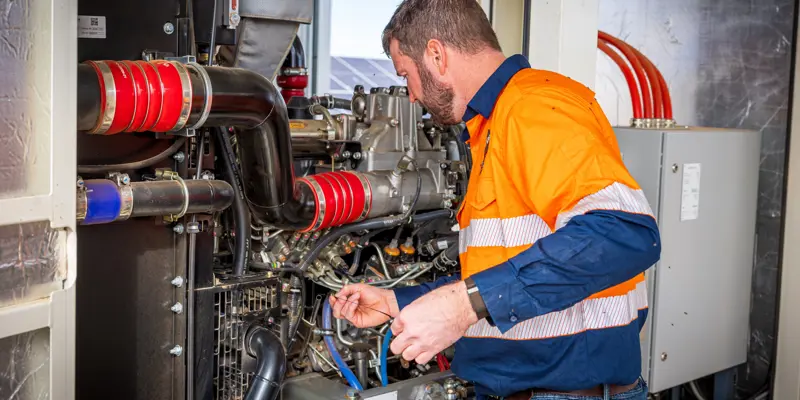
In Australia, no two operating environments are the same.
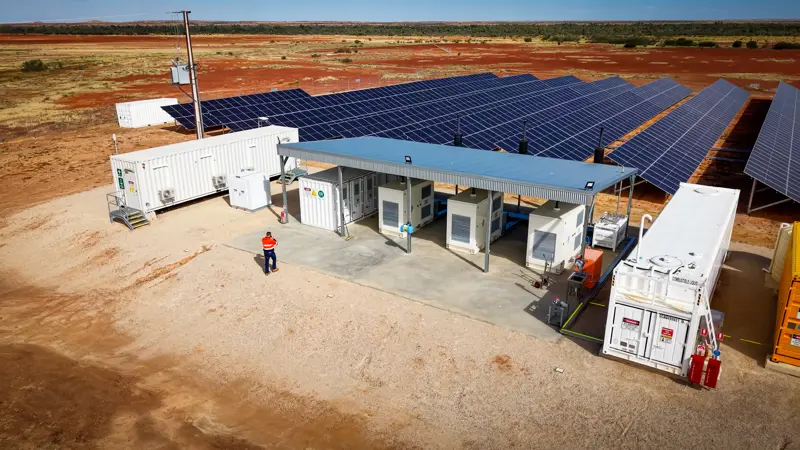
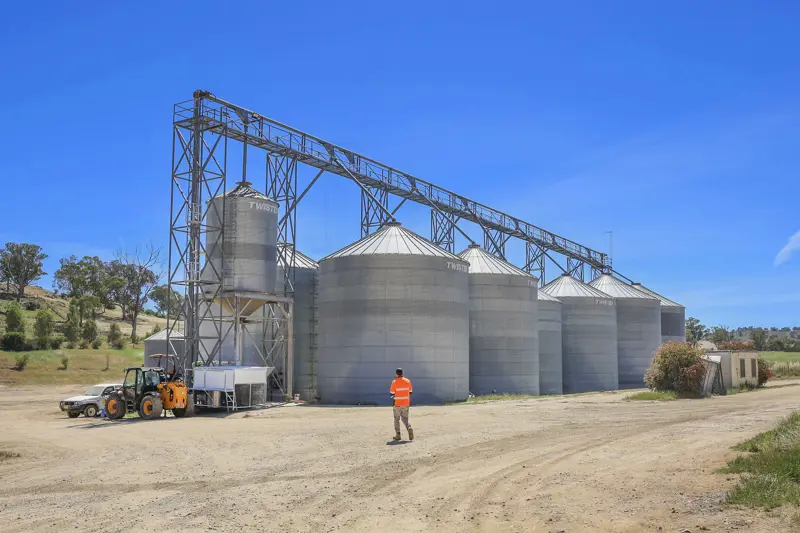
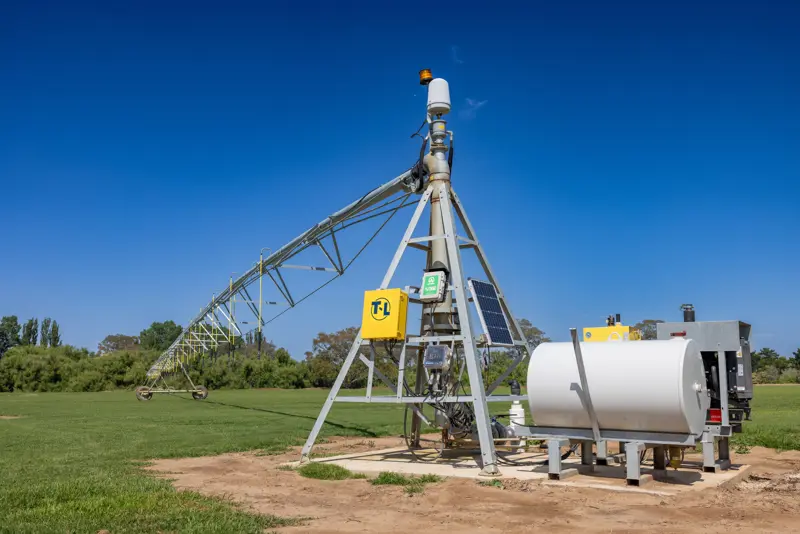
Be it an irrigation pump working through a harsh South Australian summer, or a standby generator protecting critical infrastructure in cyclone prone Far North Queensland, each place very different demands on the engine powering it.
Australia delivers some of the toughest and most variable operating conditions anywhere in the world. Think extreme heat, sub-zero alpine temperatures, airborne dust, high humidity and corrosive coastal air. These conditions all influence how an industrial engine performs over its working life.
Application matters
An engine providing emergency back-up power may sit idle for extended periods before being called upon at full load, while a centre-pivot pumping unit might operate continuously during peak season,
In the construction and mining world, industrial equipment will experience fluctuating loads, vibration and sustained exposure to dust and debris.
That's why specifying an effective cooling package involves far more than simply matching a radiator to an engine.
An engine can only perform at its best when its cooling system has been engineered around the application, operating environment and expected duty cycle.
The reality is that not all cooling packages are created equal.
Selecting the right cooling assembly from the outset can have a huge impact on reliability, engine performance, maintenance requirements and, importantly, uptime.
More than a radiator
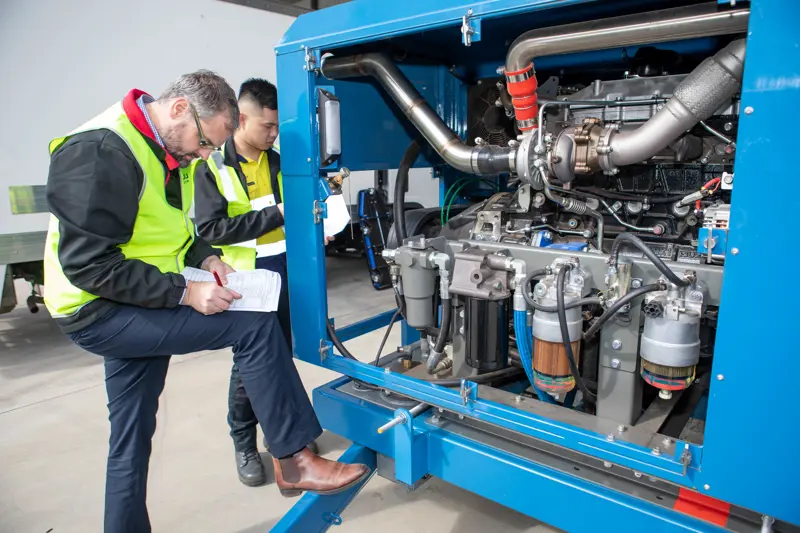
Modern industrial cooling systems are often far more sophisticated than the radiator mounted to the front of an engine.
Alongside the primary jacket water radiator that regulates engine coolant temperature, many industrial engines incorporate additional charge air coolers and fuel coolers to manage other critical systems.
Charge air coolers (or intercoolers) reduce the temperature of compressed air leaving the turbocharger, improving combustion efficiency and performance. Separate fuel coolers help maintain optimal temperatures for engine fuel efficiency.
Many heavy-duty industrial installations combine multiple cooling circuits into a single integrated assembly, creating a compact and efficient package tailored to the equipment it's supporting.
Aussie Conditions
Every cooling package is designed to reject heat, but the amount of heat it needs to disperse can vary dramatically depending on where the engine operates.
High ambient temperatures naturally reduce cooling efficiency, requiring larger or more capable radiator cores.
Dust, chaff and airborne debris can quickly restrict airflow through tightly packed radiator fins, while corrosive coastal environments demand greater protection against salt exposure. Cold-weather applications introduce their own challenges, particularly around coolant management and achieving optimal operating temperatures.
For these reasons, quality industrial cooling systems are engineered to suit specific ambient temperature ratings and environmental conditions, rather than adopting a one-size-fits-all approach.
Heavy-duty systems may be designed for reliable operation in ambient temperatures up to 45°C, while extreme-duty packages can comfortably perform in conditions exceeding 50°C.
Built differently
Not all radiator cores are built the same.
The construction method and materials used can have a significant influence on durability, cooling efficiency and long-term reliability.
Heavy-duty aluminium bar-and-plate cores, for example, offer exceptional structural strength and vibration resistance, making them well suited to construction, mining and industrial applications.
Tube-and-fin designs remain an excellent solution for many general-purpose installations where weight and airflow are prioritised.
Likewise, cooling packages intended for agricultural, forestry or quarry environments often feature anti-clog core designs with wider fin spacing, allowing dust, seeds and debris to pass through more freely without restricting airflow.
For coastal or other corrosive environments, specialised protective coatings can further improve corrosion resistance and extend engine lifecycles.
These are the kinds of engineering decisions that aren't always visible from the outside but can make a difference over thousands of operating hours.
Airflow matters
An effective cooling package isn't only about the heat exchanger itself.
Managing airflow through the package is equally important.
Fan selection, fan drive type and airflow direction all contribute to cooling performance. Depending on the installation, engineers may specify pusher or puller fan arrangements, while variable-speed fan drives can automatically adjust airflow to suit cooling demand, reducing fuel consumption and operating noise.
The way air exits the package also plays a role.
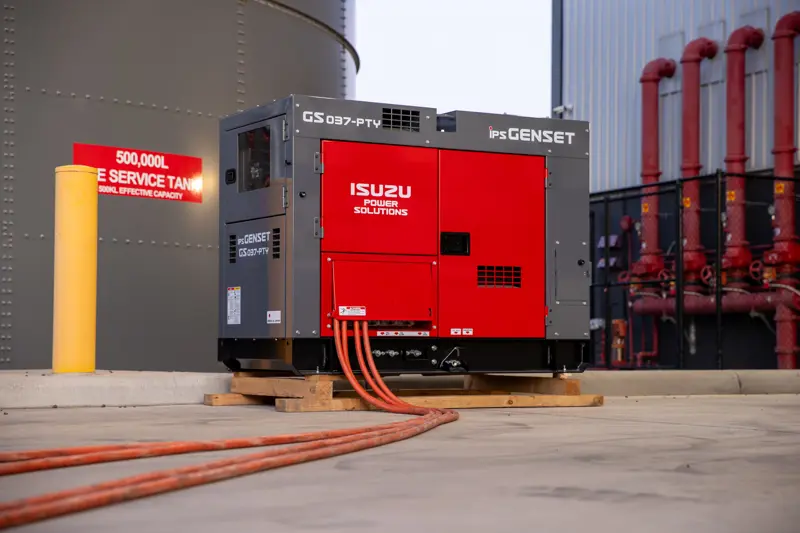
Stationary generator installations often utilise vertical ‘discharge systems’ to move heated air away from the enclosure, while horizontal discharge arrangements may better suit mobile equipment.
For higher-output engines, V-pack or cube-style cooling assemblies provide a greater cooling surface area while maintaining a compact footprint.
Purpose-built
Perhaps the biggest misconception surrounding engine cooling systems is that the biggest cooling package automatically delivers the best outcome.
The most effective cooling package is one engineered specifically for the application.
Engine output, enclosure design, altitude, airflow restrictions, ambient temperatures, installation space and expected duty cycle all influence how a cooling system should be set-up.
Rather than adapting an engine to suit an off-the-shelf cooling assembly, purpose-designed packages are engineered as an integrated solution, balancing cooling performance with durability and maintenance access.
That's where a tailored approach can deliver long-term value.
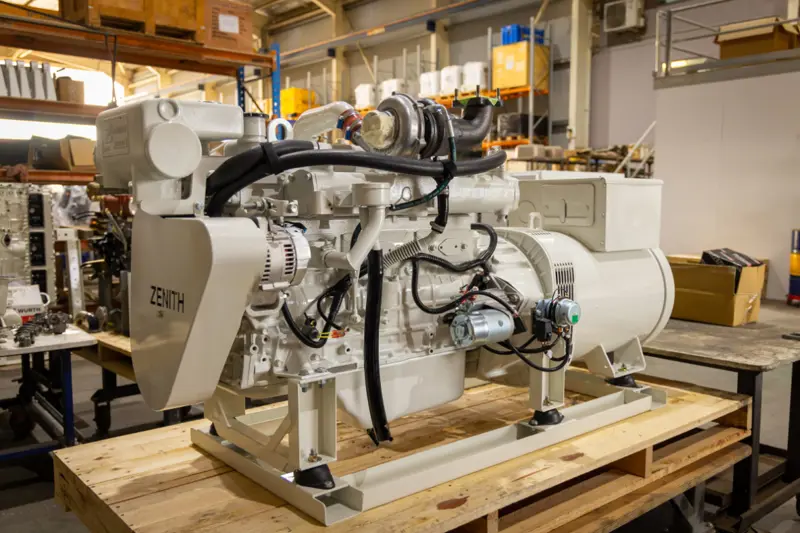
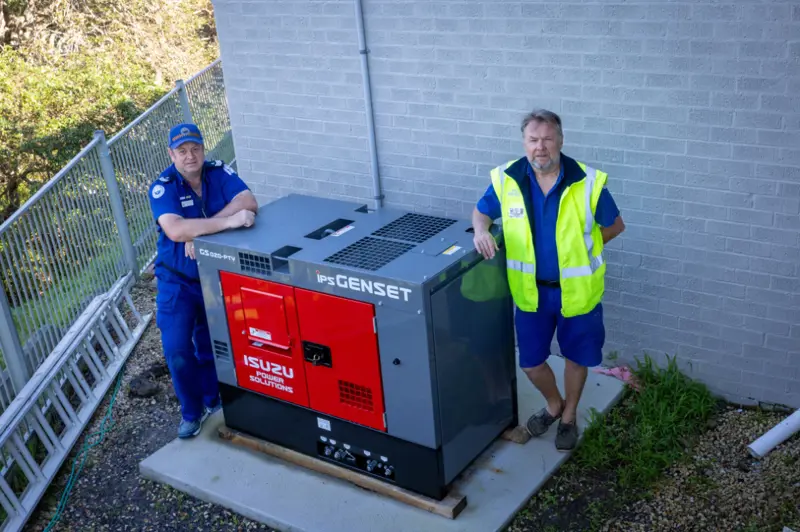
Isuzu Power Solutions offers products featuring locally engineered cooling packages that can be tailored to suit applications, environments and operational requirements.
Cooling with confidence
Cooling systems may not receive the same attention as horsepower figures or fuel consumption, but they're one of the most important contributors to long-term engine life.
Taking the time to understand where an engine will operate, what conditions it will face and how it will be used ensures the cooling package is engineered to suit.
In Australia's diverse and utterly unforgiving operating environments, it’s critical to consider the entire power system when it comes to cooling.
Learn more about a bespoke engine package that’s powering one of the country’s largest stock feed facilities in New South Wales.

Isuzu’s latest fleet of factory-built tippers has arrived, and they all have 3 years’ free servicing tipped in. From the compact NKR, through the ingenious Tri-Tipper, to the mighty FRR. There’s never been a better time to get into an Isuzu Tipper. Offer only for a strictly limited time, see your nearest Isuzu truck dealer today.
Learn More


Subscribe
Want all the latest Isuzu news?
Stay up to date with the latest on Isuzu and dealerships near you.