
How Do They Do That? The Anatomy of a Food Truck
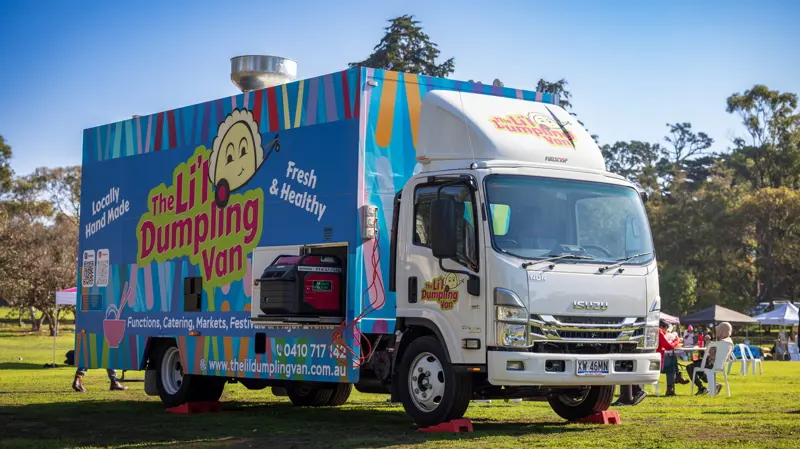
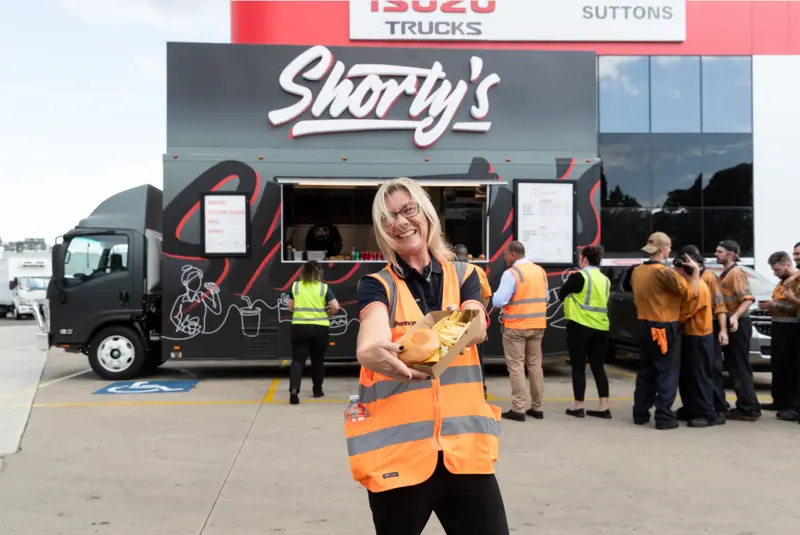
They line our streets, anchor festivals and pop-up wherever there’s a hungry crowd. Food trucks have become a fixture of Australia’s urban culture, serving everything from espresso and bao to burgers and woodfired pizza.
But behind the flashy graphics and busy service windows sits a carefully engineered mobile workspace. So how do they actually do it? How does a standard truck become a fully compliant, efficient kitchen on wheels?
In this instalment of our “How Do They Do That?” blog series, we take a closer look at how food trucks are conceived, designed, developed and built.
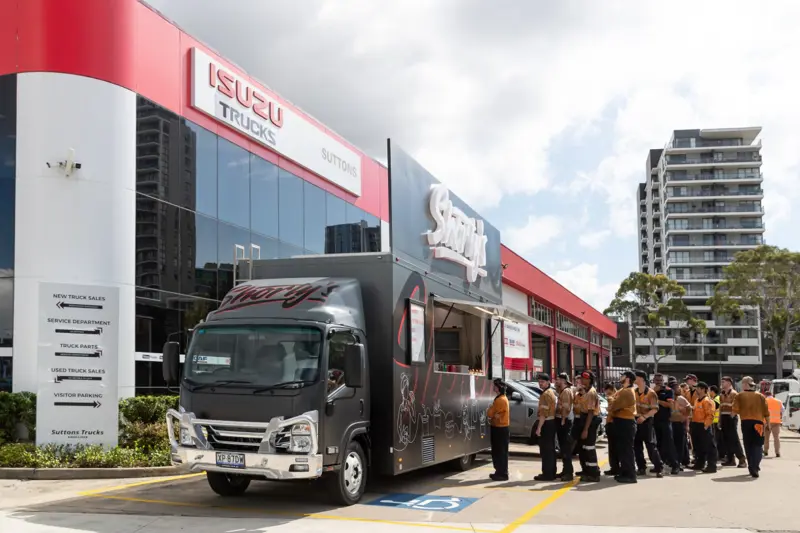
Starting with a concept
Every food truck begins with a simple question: what are you serving?
It sounds obvious, but the menu drives almost every decision that follows. Equipment selection, internal layout, power requirements and even truck size are all dictated by what is being cooked and how it is prepared.
Experienced builders often start by sitting down with the operator to map out the workflow. From prep to plating, every step needs to fit within a compact footprint, as planning the layout around the menu ensures efficiency and avoids overcrowding the space.
As space is limited, prioritising essential equipment is key: in a food truck, less is often more.
Designing the mobile kitchen
Once the concept is locked in, the design phase begins. This is where a blank truck body is transformed into a functional workspace.
Layout is critical.
Unlike a commercial kitchen, there is no room for wasted movement. Bench placement, appliance positioning and storage all need to support a smooth workflow.
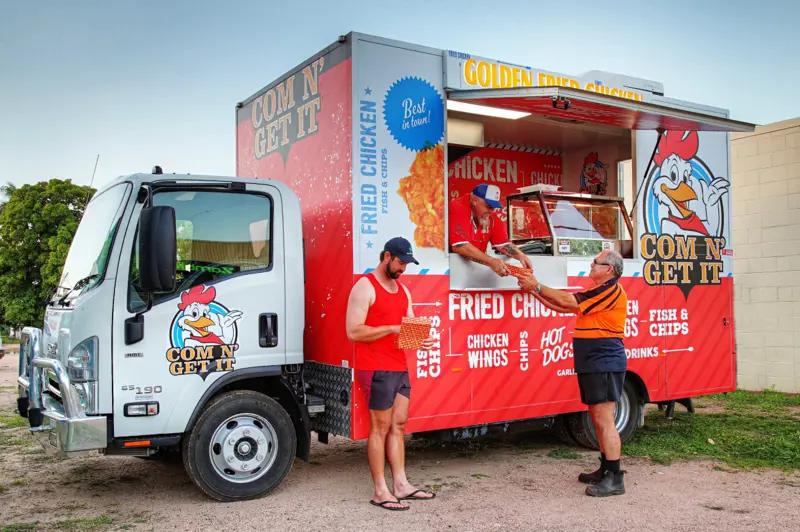
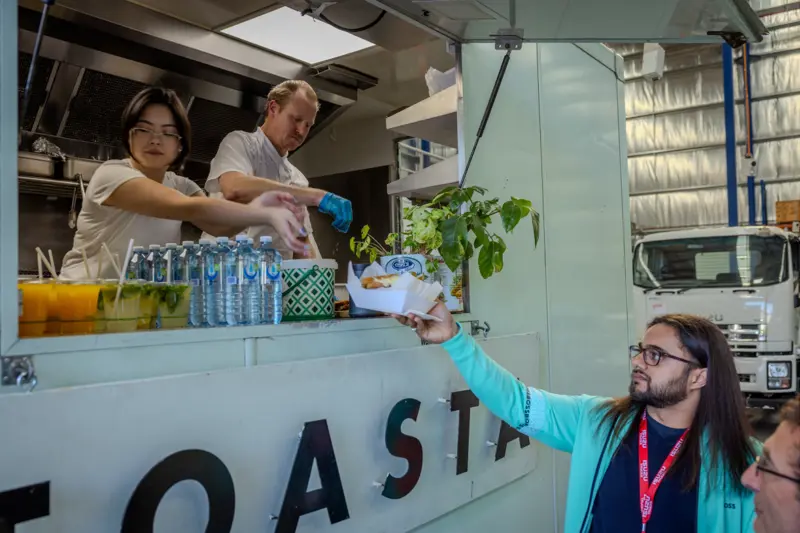
Service access is another major consideration. The serving window is not just a point of sale, it is the primary customer interface. Its size, height and location influence both customer experience and internal efficiency.
Then there’s compliance. Food trucks must meet strict health and safety regulations, including food handling standards, ventilation requirements and fire safety measures. Working with an experienced outfitter helps ensure these boxes are ticked without compromising usability.
Powering the operation
Unlike a fixed restaurant, a food truck needs to generate or carry its own power.
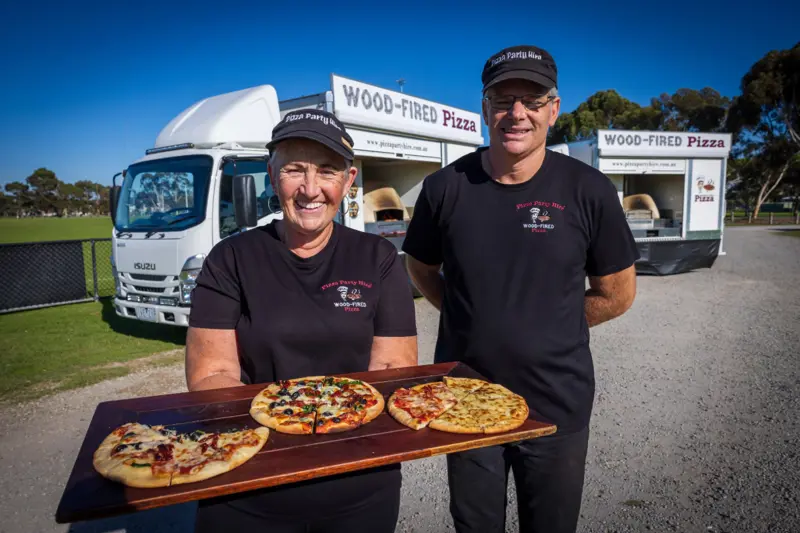
This is where remote power solutions come into play. Many trucks rely on onboard generators, battery systems or external power hookups depending on where they operate. The system must be robust enough to handle refrigeration, cooking equipment, lighting and point-of-sale systems simultaneously.
Refrigeration is particularly critical. Maintaining safe food storage temperatures is non-negotiable, and systems must remain reliable even in high ambient temperatures or during extended service periods.
Electrical design also needs to account for redundancy. Power failure is not just inconvenient, it can result in lost stock and downtime, directly impacting profitability.
Weight, balance & engineering
One of the most overlooked aspects of a food truck build is weight.
Every piece of equipment adds mass, from grills and fryers to water tanks and refrigeration units. This must all be calculated carefully to ensure the vehicle remains within its Gross Vehicle Mass (GVM) limits.
Proper weight distribution is equally important. Uneven loads can affect handling, braking and long-term vehicle durability.
This is where engineering meets compliance. Builders must ensure the final vehicle is not only functional but also safe and roadworthy.
Choosing the right truck
The base vehicle platform plays a central role in the success of a food truck build. Selecting the right model requires balancing several technical factors:
Engine & power: Sufficient torque is needed to handle added weight, particularly in stop-start urban environments.
Transmission: Automatic transmissions are often preferred for ease of use in city driving.
GVM: Higher GVM allows for greater payload, which is crucial for fully equipped kitchens.
Wheelbase: This determines available internal space and impacts manoeuvrability.
Operators also need to consider fuel efficiency and maintenance costs, especially if the truck will travel between events or regions.
Modern tools like the Isuzu Sales Information System (ISIS) can assist dealers and customers in matching the right truck specification to the intended application. By factoring in payload, dimensions and operational requirements, systems like ISIS help streamline the selection process and reduce guesswork.
New vehicles often provide greater reliability and warranty support, which can be critical in a business where downtime directly affects revenue.
Build and fit-out
With the design finalised and the vehicle selected, the build begins.
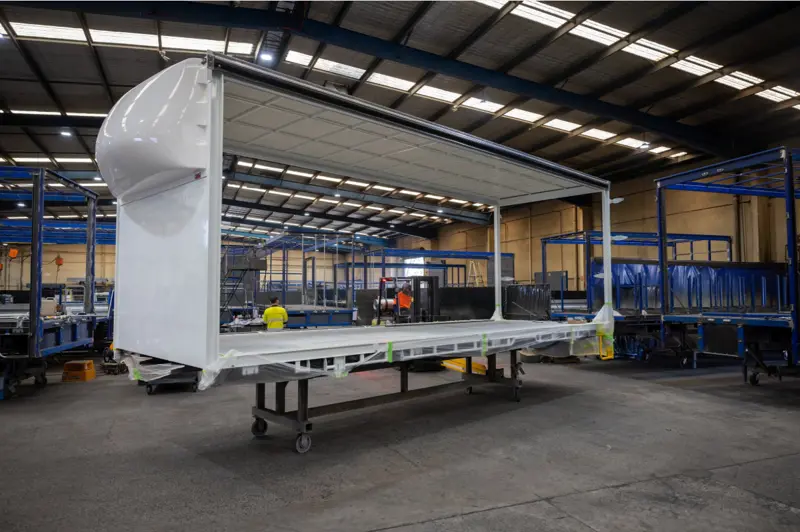
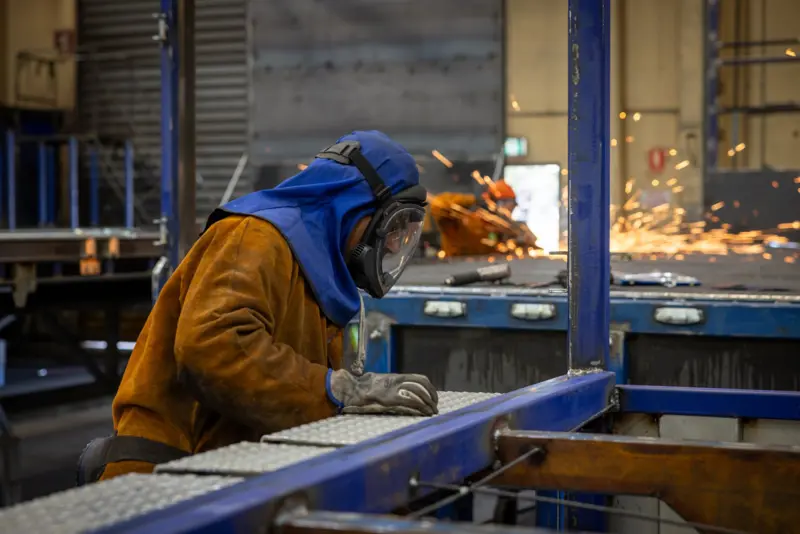
This stage involves installing structural elements, fitting out the kitchen, integrating electrical and plumbing systems, and completing internal finishes. Precision is key, as everything must fit within tight tolerances.
External presentation is also addressed at this stage. Branding and graphics play a major role in attracting customers. As operators often say, people eat with their eyes first.
The final product is a blend of engineering, design and branding, all working together to create a successful mobile business.
Hitting the road
Once complete, the food truck is ready to operate. But the work does not stop there.
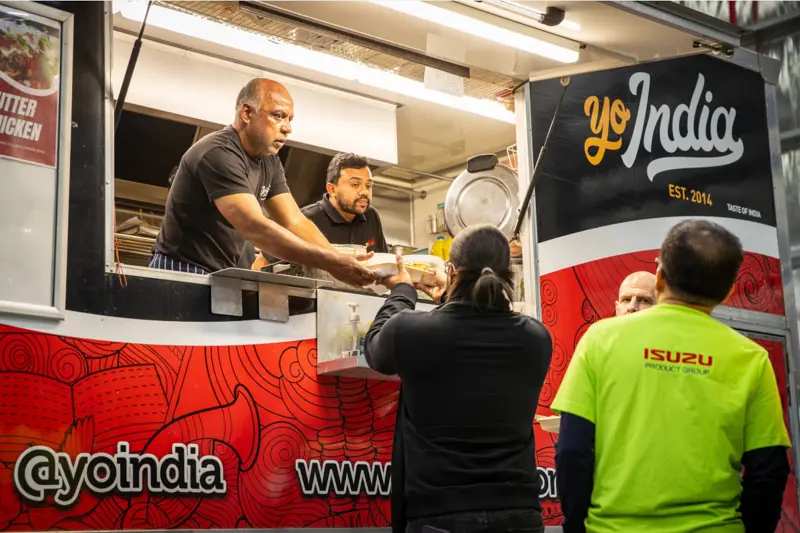
Operators must maintain equipment, monitor power systems and ensure ongoing compliance with food safety regulations. Weather, location and customer demand all influence day-to-day operations, much like other specialised mobile industries.
What looks effortless from the outside is the result of careful planning and execution behind the scenes.
Final thoughts
Food trucks may appear simple, but they are anything but. From concept to completion, every detail is considered to ensure the vehicle performs reliably, safely and efficiently.
It is a process that blends culinary ambition with mechanical precision. And when it all comes together, the result is a business that can go almost anywhere, serving up great food along the way.
Enjoy this blog? Explore more articles in the “How do they do it?” series and dive deeper into the industries that keep Australia moving.
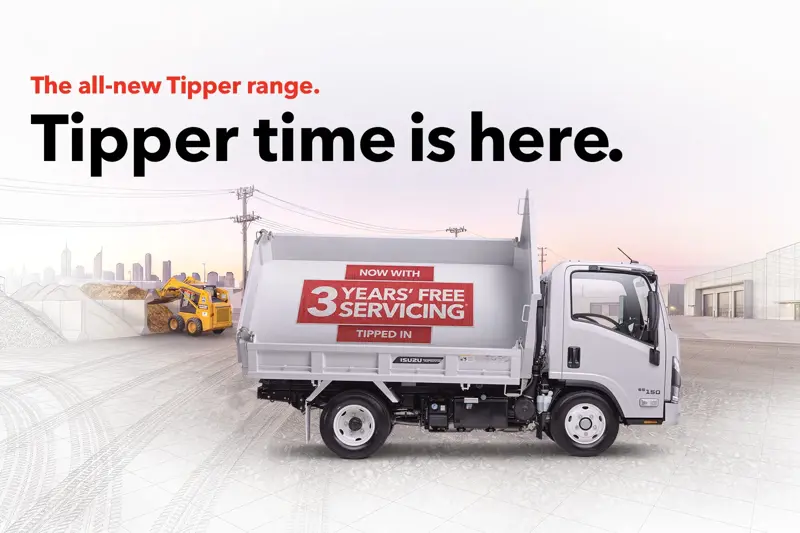
Isuzu’s latest fleet of factory-built tippers has arrived, and they all have 3 years’ free servicing tipped in. From the compact NKR, through the ingenious Tri-Tipper, to the mighty FRR. There’s never been a better time to get into an Isuzu Tipper. Offer only for a strictly limited time, see your nearest Isuzu truck dealer today.
Learn More
Subscribe
Want all the latest Isuzu news?
Stay up to date with the latest on Isuzu and dealerships near you.