
The Real Cost of Servicing

In a transport environment shaped by tighter regulation and heightened accountability, the idea of ‘cost’ has evolved. Servicing is no longer just a line item tied to maintenance intervals. It now sits at the centre of compliance, risk management, and operational continuity.
For many operators, the real cost of servicing is best understood through the lens of Chain of Responsibility (CoR) laws and the consequences of falling short.
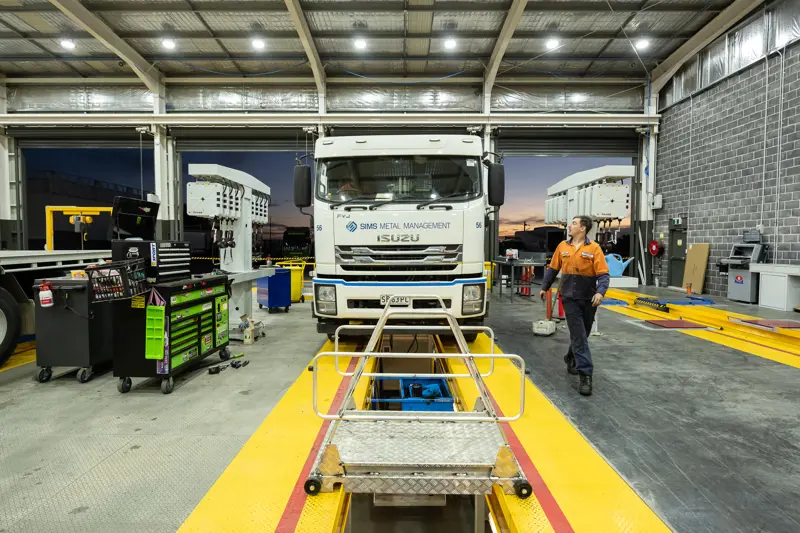
Compliance not an option
Since the 2018 amendments to Heavy Vehicle National Law, CoR obligations have expanded well beyond the driver and fleet manager.
Responsibility now extends across the entire supply chain, from schedulers and loaders to executives and business owners. Every party has a legal duty to ensure safety is not compromised at any stage of a vehicle’s operation.
This shift has fundamentally changed how businesses must approach maintenance. A poorly maintained vehicle is no longer just a mechanical risk. It represents a compliance failure, one that can trigger investigations, penalties, and reputational damage.
Regulators are increasingly active in enforcement. Penalties for breaches can range from tens of thousands to hundreds of thousands of dollars, depending on severity.
More critically, liability can extend to individuals within the business, not just the organisation itself. In practical terms, this means servicing decisions carry legal weight.
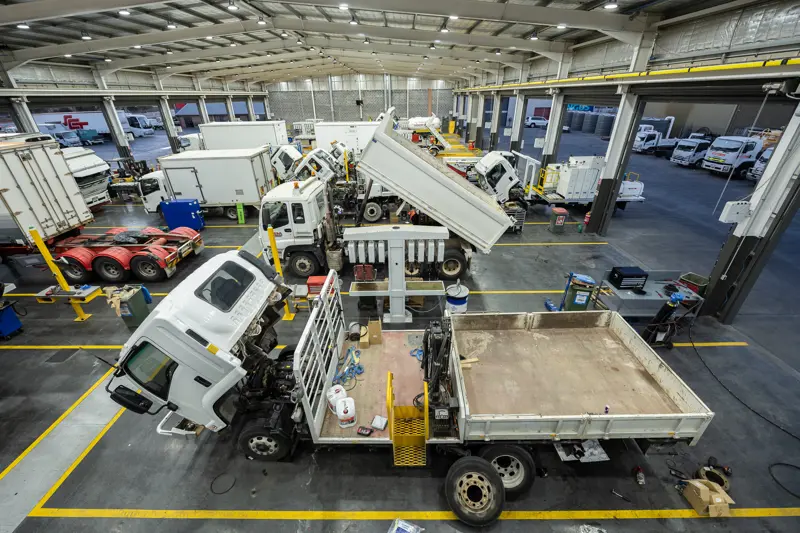
The hidden risks of under-servicing
In periods of economic pressure, businesses often look for efficiencies.
Maintenance schedules can be stretched, parts sourcing may shift to lower-cost alternatives, and servicing can become reactive rather than preventative. While these decisions may appear to deliver short-term savings, they introduce compounding risks.
Mechanical failure is the most visible outcome, but it is rarely the most expensive. A breakdown can lead to missed deliveries, contract penalties, and operational disruption.
More serious still is the risk of an incident linked to vehicle condition. Under CoR, a failure to maintain a vehicle properly can be interpreted as a systemic breach of duty.
There are also less obvious compliance gaps. Overloading, for example, is often associated with operational practices, but it can also stem from equipment limitations or degraded vehicle performance. Smaller fleets are more vulnerable to these issues due to gaps in awareness and resources.
When viewed holistically, under-servicing is not a cost-saving measure, it is a liability.
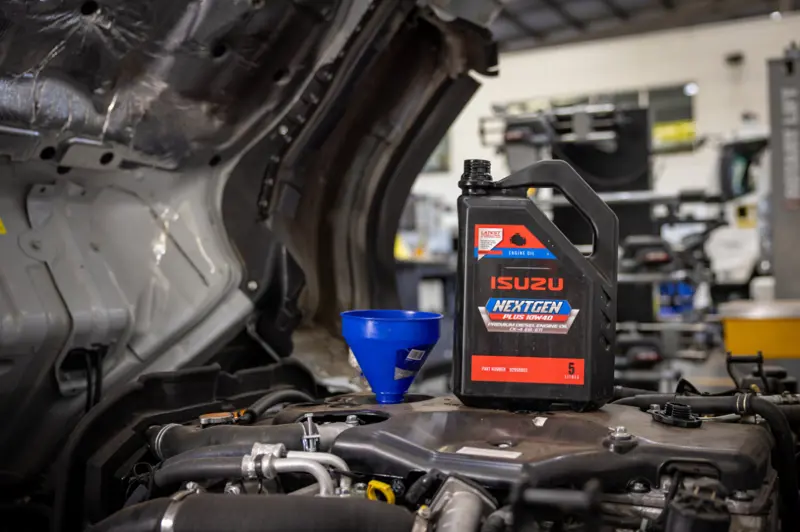
Servicing as a compliance control
Regular, structured servicing plays a critical role in meeting CoR obligations.
At its most basic level, it ensures that vehicles are operating as designed, with all safety systems functioning correctly. This directly reduces the likelihood of incidents linked to mechanical failure.
More broadly, consistent maintenance supports a culture of compliance. It reinforces the expectation that safety is embedded in daily operations, not treated as an afterthought. As highlighted by industry experts, servicing in line with manufacturer requirements is one of the most effective baseline measures for supporting CoR compliance.
However, maintenance alone is not sufficient.
CoR also encompasses human factors such as fatigue management, load distribution, and communication across the supply chain. Servicing should therefore be seen as one component of a broader safety system, albeit a foundational one.
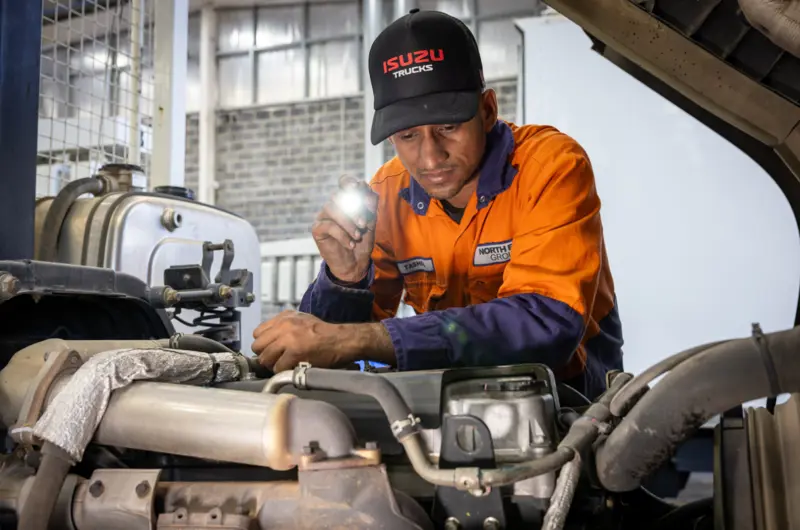
The role of service agreements
This is where structured service agreements begin to deliver real value. Beyond simplifying maintenance scheduling, they introduce consistency, predictability, and traceability into the servicing process.
From a financial perspective, service agreements convert variable maintenance costs into planned, manageable expenses. This reduces the likelihood of deferred servicing due to budget constraints, a common trigger for compliance risk.
From an operational standpoint, they ensure that maintenance is performed at the right intervals using appropriate parts and procedures. This minimises variability and reduces the risk of oversight.
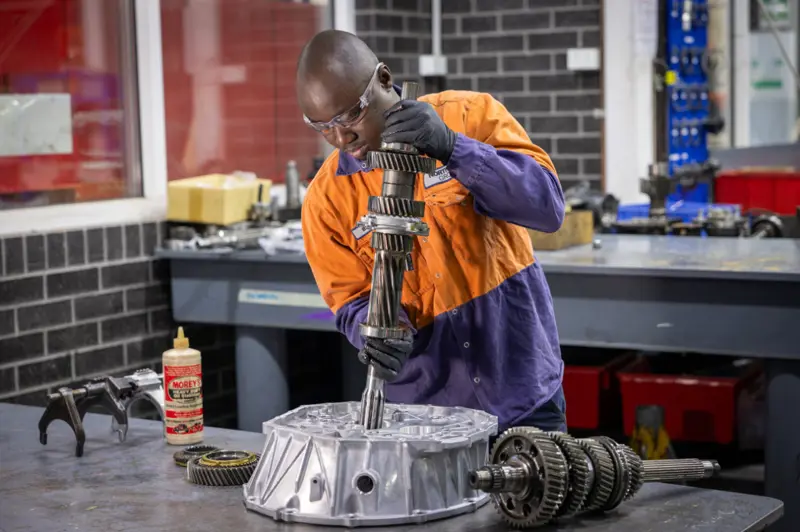
The most significant benefit, however, lies in documentation. Service agreements typically generate detailed records of inspections, repairs, and component replacements over the life of the vehicle. These records form an auditable trail that demonstrates a proactive approach to safety.
In the context of CoR, this documentation is critical. If a business is required to demonstrate compliance, having a clear, consistent maintenance history provides evidence that reasonable steps were taken to prevent breaches. Without this, even well-intentioned operators may struggle to substantiate their processes.
Building defensible operations
The concept of “reasonable steps” sits at the core of CoR legislation. Businesses are expected to identify risks, implement controls, and monitor outcomes. Servicing, when managed properly, satisfies all three elements.
It identifies risk through inspections, addresses it through maintenance, and records it through documentation. When supported by a formal agreement, this process becomes systematic rather than ad hoc.
Importantly, this approach also supports scalability. As fleets grow, informal maintenance practices become harder to manage. Service agreements introduce structure, making it easier to maintain compliance across multiple vehicles and locations.
Reframing the conversation
The real cost of servicing is not defined by invoices or workshop hours. It is defined by the risks it mitigates and the protection it provides. In a regulatory environment where accountability is shared and enforcement is increasing, servicing is no longer just about keeping vehicles on the road. It’s about keeping businesses compliant, operational and in the worst-case scenario, defensible.
For organisations that rely on transport, the question is no longer whether they can afford to invest in structured servicing. It is whether they can afford not to.

Isuzu’s latest fleet of factory-built tippers has arrived, and they all have 3 years’ free servicing tipped in. From the compact NKR, through the ingenious Tri-Tipper, to the mighty FRR. There’s never been a better time to get into an Isuzu Tipper. Offer only for a strictly limited time, see your nearest Isuzu truck dealer today.
Learn More

Subscribe
Want all the latest Isuzu news?
Stay up to date with the latest on Isuzu and dealerships near you.