
Same Truck, Different Load: Understanding What Changes After Every Delivery?

It’s so common it’s almost omnipresent; delivery trucks pulling into supermarket loading bays, dropping stock at local businesses or collecting goods for a return trip.
From the outside, it’s just another truck going about its day, but behind the barn doors, things are constantly changing. Every pallet removed or added changes the onboard weight, and potentially, how the truck handles, brakes and rides.
So, what does that mean for the driver behind the wheel? Let’s follow a typical 10-pallet delivery truck through a mock working day.

Starting with a full house
Our truck leaves the depot carrying 10 pallets weighing around five tonnes.
Before departure, the loading team has considered the delivery order, individual pallet weights and how the weight is distributed between the axles.
Putting weightier items at the front might seem sensible, but it can overload the steer axle. Too much weight at the back can also dramatically affect steering and braking. Even a truck below its weight limit can have an overloaded axle, as the National Heavy Vehicle Regulator explains.
With the load checked and secured, the driver heads off, allowing room to slow down and keeping acceleration, braking and cornering as smooth as possible in traffic.
Less freight, different feel
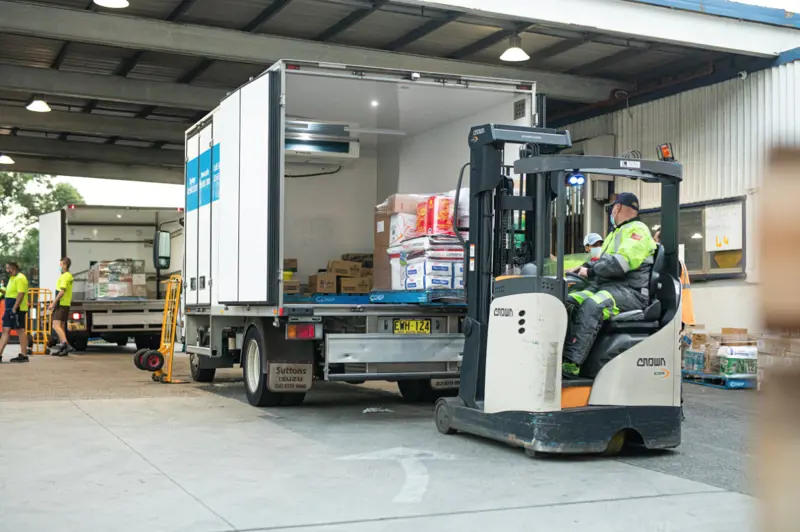
The first retailer takes two pallets. The next takes four. Suddenly, our full truck has just four pallets remaining.
There’s less weight at take-off, so general acceleration may feel more responsive.
Depending on which pallets have been removed and in what order, weight balance between the front and rear axles may have changed too.
A lighter rear axle can mean less available grip, particularly noticeable on wet roads. The ride may also feel ‘firmer’ as the suspension carries less weight.
As weight changes, braking deserves some attention too.
There’s less energy to absorb when slowing a lighter truck, but grip and weight distribution still matter. A lighter load shouldn’t an invitation to shorten following distances.
And what those gaps between pallets? They should be considered before departure.
The driver checks the remaining freight and adjusts restraints, so it stays secure under braking, cornering and in the event of sudden jolts.
Highlighting the importance of this, the NHVR emphasises partial unloading and continued restraint as key considerations during multiple deliveries.

Room for more
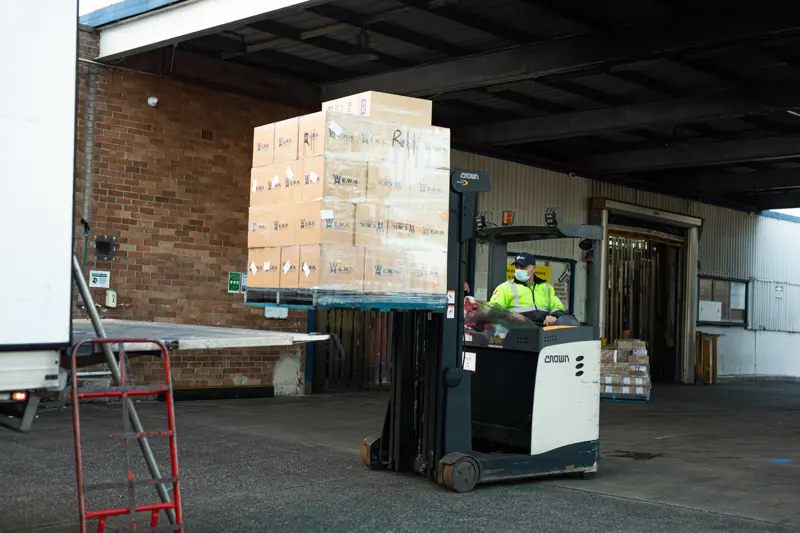
At the next stop, four pallets of material join the load.
Our truck is back to eight pallets, but the weight and arrangement are different from earlier that morning.
Simply filling the space nearest the barn doors could concentrate too much weight at the rear. The driver and loading team need to consider pallet position, axle loads and access to the next delivery.
That last point can save considerable time. If collected goods block the remaining deliveries, they may need repositioning using suitable equipment in a designated loading area.
After another two pallets are delivered, three pallets of bulky returns bring the count to nine. The body looks almost full, yet these lighter goods add relatively little weight.
What about fuel economy?
Carrying less weight generally reduces the energy needed to accelerate and climb... good for fuel economy.
However, traffic, gradients and driving style can easily offset that result.
There’s also the time spent going nowhere.
Waiting for a loading bay with the engine running uses fuel without adding kilometres. Reducing unnecessary idling can help, while accounting for equipment or goods that require engine power – refrigerated perishables for example.
The transmission matters throughout a run like this as well.
An automatic or automated manual suited to delivery work can ease repeated gear changes, helping the driver manage busy streets with less effort. Getting to grips with how to properly operate the transmission, along with the truck’s safety aids, remains essential as well.
The day doesn’t end at the depot
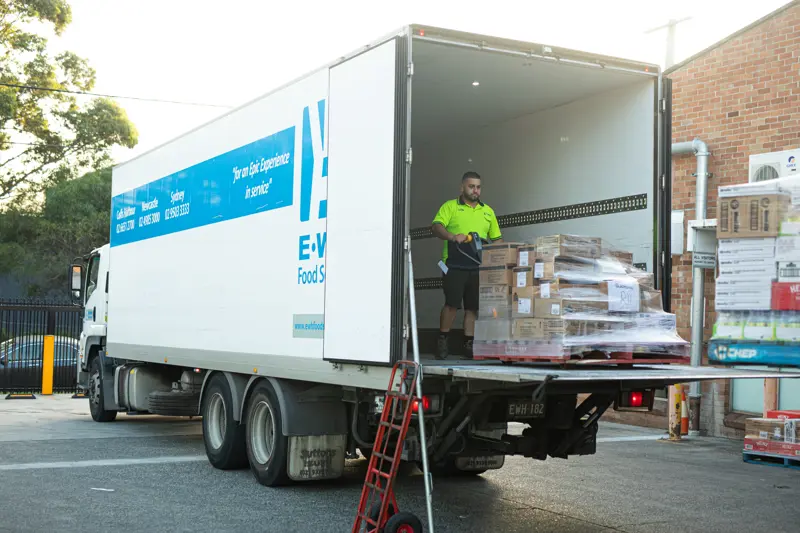
Our truck returns carrying collections and some returns.
It only becomes ‘empty’ once those goods are unloaded.
Before clocking-off, the driver checks for damage and reports any warnings, unusual noises or changes in braking and handling.
Repeated stops, low-speed manoeuvring and engine hours can tell a different story from the odometer alone, so servicing and maintenance should reflect the truck’s actual work, not a desktop projection.
That’s where a well-supported national service network, technicians with current product knowledge and ready access to appropriate parts can make a huge difference.
The truck may follow the same route tomorrow but understanding what changes at every stop helps keep the next delivery safe, efficient, on schedule and ready for the next assignment.
There’s a lot that goes into a successful last mile delivery run and a key ingredient is the way the truck is driven. Find out how driver behaviour shapes fleet costs.
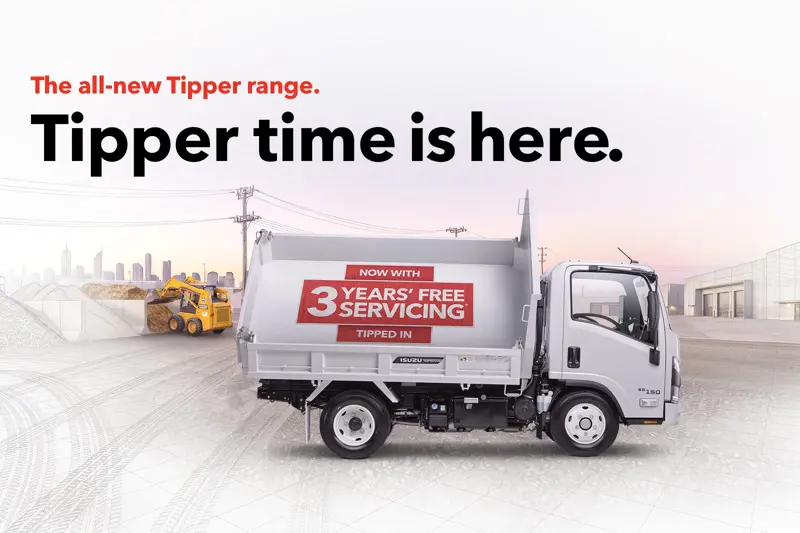
Isuzu’s latest fleet of factory-built tippers has arrived, and they all have 3 years’ free servicing tipped in. From the compact NKR, through the ingenious Tri-Tipper, to the mighty FRR. There’s never been a better time to get into an Isuzu Tipper. Offer only for a strictly limited time, see your nearest Isuzu truck dealer today.
Learn More

Subscribe
Want all the latest Isuzu news?
Stay up to date with the latest on Isuzu and dealerships near you.