
Managing A Road Accident: The Dos and Don’ts In 2026
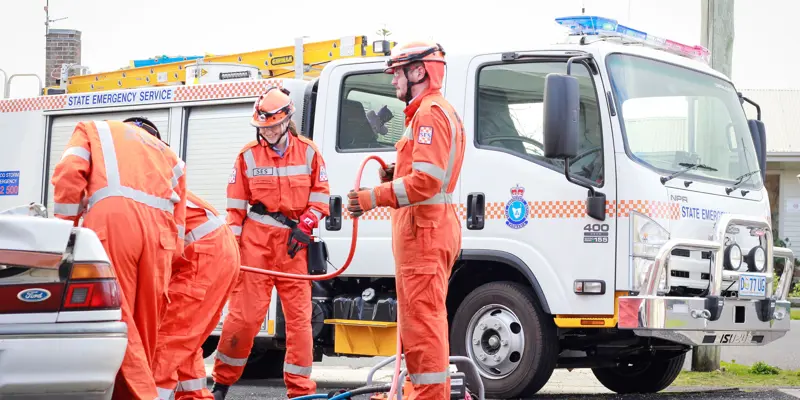
Even the safest and most experienced driver can be involved in a road accident and when it happens, the first few minutes really matter.
A clear head and a familiar process can help protect those involved, reduce the risk of a secondary collision and make the reporting and insurance process far easier.
For truck drivers and fleet operators, a well-rehearsed incident response plan is equally important.
Here is a practical guide to managing the immediate aftermath.
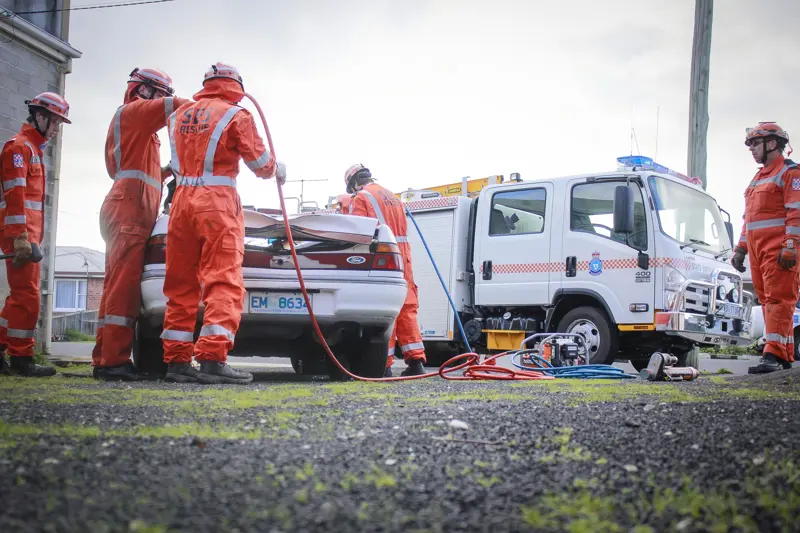
DO stop & assess
Drivers involved in a crash must stop and provide reasonable assistance.
Pull over safely, switch off the ignition, apply the park brake and activate the hazard lights.
Before leaving the cab, visually check surrounding environment first and foremost. Ensure there are no other hazards that might endanger your safety before leaving the cab. A crash scene can remain dangerous long after vehicles have stopped moving.
If there is an immediate threat to life or property, a serious injury, fire or significant road hazard, call Triple Zero (000).
Give the operator a precise location and stay on the line.
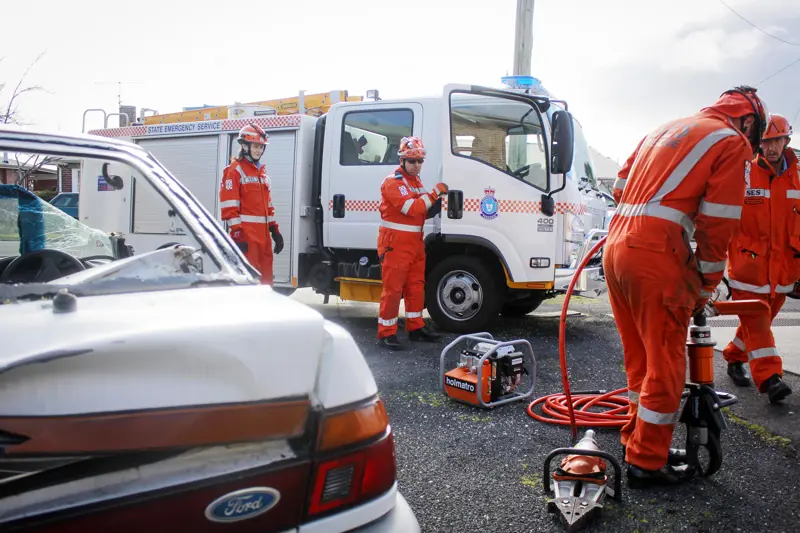
DO check for injuries
Check yourself, your passengers and others involved.
Avoid moving someone with a suspected head, neck or spinal injury unless they face an immediate danger.
Provide first aid within the limits of your training and follow instructions from emergency services.
Government-funded virtual health service, Healthdirect, provide a useful refresher on the DRSABCD first aid action plan.
If you have completed a first aid course, you will be familiar with the DRSABCD action plan. You can remember them by thinking 'Doctor's ABCD' (which stands for 'DRS ABCD').
Each letter is a prompt for the actions to take when first aid is needed.
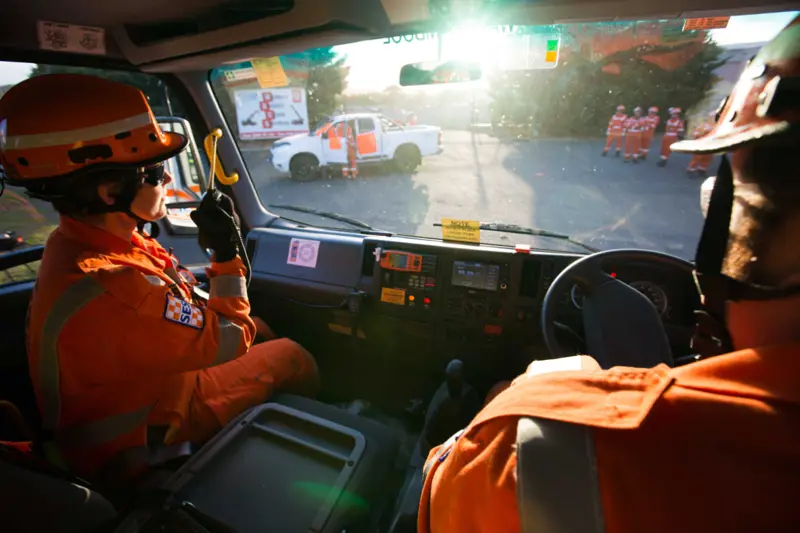
DON’T create another hazard
Your own safety remains critical. Do not stand between vehicles, walk through moving traffic or attempt to clear heavy debris without assistance.
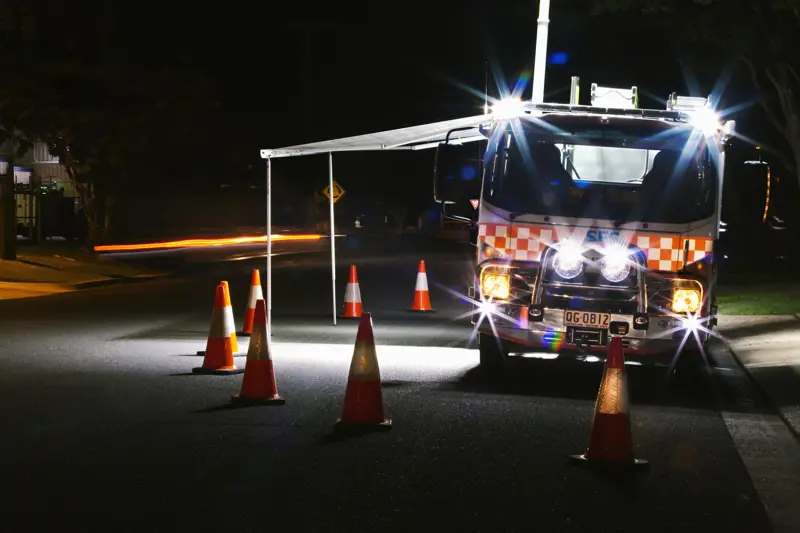
If the vehicles can be moved safely, relocate them away from traffic to avoid any further collisions. Otherwise, leave them in place and wait somewhere protected. Warning triangles or other emergency equipment should only be deployed when this can be done without entering an unsafe traffic environment.
For crashes involving dangerous goods, call emergency services, keep people clear and avoid contact with spilled material, fumes or dust. The NSW Government crash guide provides useful general guidance for incidents involving trucks carrying hazardous loads.

DO exchange details
Exchange the information required in the state or territory where the crash occurred. This will generally include…
-
Driver name, address and contact details
-
Licence and vehicle registration details
-
Vehicle owner and operator details
-
Insurer and policy information, where available
Record the time, location, weather, road conditions and a straightforward account of what occurred.
Collect witness contact details.
Take clear photographs of vehicle positions, damage, number plates, road markings, debris and surrounding conditions, provided it is safe to do so.
Preserve dash-camera footage and any telematics records before they are overwritten.
DON’T argue about fault
A roadside discussion is unlikely to establish liability. Keep the conversation calm, exchange the necessary information and stick to observable facts.
Do not sign documents you do not understand or authorise towing and repairs without checking the arrangements.
Contact your insurer, employer or fleet manager as soon as practicable and follow the organisation’s incident response procedure.
DO check local rules
Crash-reporting requirements do vary across Australia.
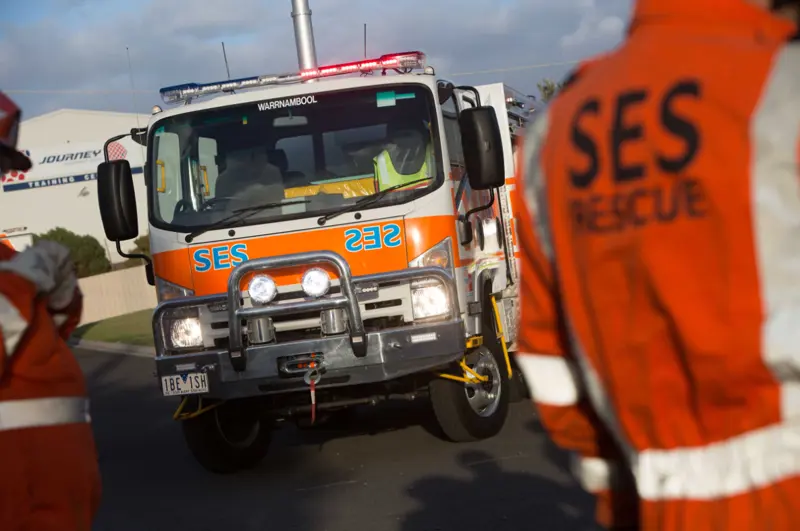
Police attendance may be required when someone is injured, a driver fails to exchange details, impairment is suspected, traffic control is needed or a heavy vehicle must be towed.
Reporting deadlines and damage thresholds also differ. The Australian Road Rules provide a national model, but each state and territory applies its own legislation. Drivers should check the current police or transport authority guidance for the jurisdiction where the crash occurred.
DO follow through
Report the incident while the details remain fresh. Supply accurate records to the insurer and retain copies of photographs, reports, towing paperwork and repair documentation.
NHVR-accredited operators should also check whether the incident meets the requirements for a notifiable occurrence.
Yes, a crash can be stressful, but preparation helps.
Keep emergency contacts, insurance details and the company incident procedure readily accessible in every vehicle, and make sure drivers know exactly what is expected before they need to use it.
So, you’ve hit a roo...what should you do? Do you keep on driving, or do you stop? Here are some tips for handling the unfortunate but all too common situation.

Isuzu’s latest fleet of factory-built tippers has arrived, and they all have 3 years’ free servicing tipped in. From the compact NKR, through the ingenious Tri-Tipper, to the mighty FRR. There’s never been a better time to get into an Isuzu Tipper. Offer only for a strictly limited time, see your nearest Isuzu truck dealer today.
Learn More

Subscribe
Want all the latest Isuzu news?
Stay up to date with the latest on Isuzu and dealerships near you.